The thing about leverage is that it works both ways. What helps accelerate business results on the way up also accelerates a decline. Dell, for example, benefited for a long time by using a "build to order" strategy that limited cash tied up in inventory and also created cash "float" when its retail customers paid Dell before Dell paid its suppliers.
While the company was growing fast, Dell was getting paid to make products faster than it is paying to make them. All that goes in reverse when sales slow. Now Dell is seeing the process in reverse. Lower retail sales mean less cash is coming in the front door, while supplier payments for older and larger orders are going out the back door.
You might argue a similar process is at work in the fixed network telecom business. Incumbent telcos are losing customers, market share and gross revenue to cable companies and competitive suppliers including competitive local exchange carriers, for example.
And that means fixed costs are spread over a smaller base of customers. You know what that means: incumbents will have to find new services to sell, or must raise prices on the remaining customers to cover the overhead.
The process is most clear in the voice business, where telcos once had 90 percent or higher share of consumer and small business voice accounts, and now have perhaps 60 percent to 40 percent. All other things being equal, that means the sunk costs and overhead supporting the voice network have to be spread over a smaller base of customers.
The other problem is that nobody ever argues that incumbent telcos are the "low cost providers" in any market. Since, in a competitive market, over the long term, the low cost provider generally wins, that poses another layer of trouble. Not only are fixed costs going to become a problem, but incumbent telcos also face institutional barriers to reducing those costs.
Mobile, cable and CLEC contestants, for example, generally operate with non-union work forces and generally have leaner work force structures (fewer employees per $100,000 of revenue) as well.
Thus begins a vicious cycle. Telcos raise prices to cover overhead. Higher prices drive customers off the network. That means overhead per remaining customer gets higher. So prices have to be increased, which causes more customers to flee, and so on. To be sure, all other things are not equal. Telcos are creating new products to replace lost revenue.
But you see the problem: large fixed costs are a real problem for any business that starts to shrink.
High fixed costs are a potentially devastating problem for competitors who start with the disadvantage of the highest cost structure in a market, with the heaviest regulatory burdens and price controls.
Friday, August 24, 2012
What Happens in a Competitive Market When the "High Cost" Supplier Loses Lots of Customers?

 Gary Kim was cited as a global "Power Mobile Influencer" by Forbes, ranked second in the world for coverage of the mobile business, and as a "top 10" telecom analyst. He is a member of Mensa, the international organization for people with IQs in the top two percent.
Thursday, August 23, 2012
For Banks and Payment Processors, the Task is "Avoiding Zero"
In the start-up business, there is an aphorism that suggests the most important thing for a start-up team is to "avoid zero," a way of warning teams that, no matter what, the first objective is not so much to execute fully on the original plan, but avoid wiping out the investment by failing completely.
In more established businesses under attack by disruptive competitors, the task is somewhat similarly to "avoid zero" in the sense of the underlying revenue model withering to "near zero" levels.
That might not be a huge concern for most in the payment processing business, but the danger of downward pressure is obvious. And most observers would agree the pressure will have some effect.
 One of the most logical competitive positioning statements a company can offer a merchant is "lower transaction fees." And even though many would argue there is precious little wiggle room on that score, some contestants already are offering to attack the payment transaction fees in a major way.
LevelUp, for example, is trying to beat competitors by jumping straight to a zero-percent charge for processing a transaction.
Though it used to charge businesses two percent per transaction, LevelUp has decided to "eat" the transaction fee, LevelUp still will have to pay its partner payment networks their customary fees. So how is LevelUp looking to modify its revenue model?
Basically, instead of charging for transactions, LevelUp will instead try to create revenue through special campaigns operated on behalf of its merchants. For instance, a local retailer could offer $2 off a $10 item for anyone using LevelUp. The customer would pay $8, and LevelUp would take 35 cents per dollar from the campaign.
That proposition isn't riskless, either. But if successful, LevelUp would start to create pressure within the ecosystem for lower transaction fees, at the very least.
In more established businesses under attack by disruptive competitors, the task is somewhat similarly to "avoid zero" in the sense of the underlying revenue model withering to "near zero" levels.
That might not be a huge concern for most in the payment processing business, but the danger of downward pressure is obvious. And most observers would agree the pressure will have some effect.
One of the most logical competitive positioning statements a company can offer a merchant is "lower transaction fees." And even though many would argue there is precious little wiggle room on that score, some contestants already are offering to attack the payment transaction fees in a major way. LevelUp, for example, is trying to beat competitors by jumping straight to a zero-percent charge for processing a transaction.
Though it used to charge businesses two percent per transaction, LevelUp has decided to "eat" the transaction fee, LevelUp still will have to pay its partner payment networks their customary fees. So how is LevelUp looking to modify its revenue model?
Basically, instead of charging for transactions, LevelUp will instead try to create revenue through special campaigns operated on behalf of its merchants. For instance, a local retailer could offer $2 off a $10 item for anyone using LevelUp. The customer would pay $8, and LevelUp would take 35 cents per dollar from the campaign.
That proposition isn't riskless, either. But if successful, LevelUp would start to create pressure within the ecosystem for lower transaction fees, at the very least.
Gary Kim was cited as a global "Power Mobile Influencer" by Forbes, ranked second in the world for coverage of the mobile business, and as a "top 10" telecom analyst. He is a member of Mensa, the international organization for people with IQs in the top two percent.
FCC Approves Verizon Purchase of Cable AWS Spectrum
The U.S. Federal Communications Commission has approved a modified plan for transferring spectrum from a consortium of cable operators to Verizon, and though not strictly related, a set of agency agreements whereby the cable companies and Verizon can resell each other’s services.
The approval also clears the way for spectrum transfers to T-Mobile USA and and an exchange of spectrum between Leap Wireless and Verizon as well.
The decision was expected, once the cable companies and Verizon agreed to limit the terms of the agency agreements and any systems developed between the cable operators and Verizon as a result of their collaboration for a limited number of years.
Verizon will purchase spectrum in the Advanced Wireless Services band from Comcast, Time Warner Cable, Cox Communications and Bright House Networks, while selling some of its spectrum to competitors T-Mobile USA and Leap Wireless.
The FCC's approval forbids Verizon from reselling cable products and services where Verizon FiOS service already exists, principally. The U.S. Department of Justice earlier had demanded those same concessions as part of its clearance of the deal on antitrust grounds.
The approval also clears the way for spectrum transfers to T-Mobile USA and and an exchange of spectrum between Leap Wireless and Verizon as well.
The decision was expected, once the cable companies and Verizon agreed to limit the terms of the agency agreements and any systems developed between the cable operators and Verizon as a result of their collaboration for a limited number of years.
Verizon will purchase spectrum in the Advanced Wireless Services band from Comcast, Time Warner Cable, Cox Communications and Bright House Networks, while selling some of its spectrum to competitors T-Mobile USA and Leap Wireless.
The FCC's approval forbids Verizon from reselling cable products and services where Verizon FiOS service already exists, principally. The U.S. Department of Justice earlier had demanded those same concessions as part of its clearance of the deal on antitrust grounds.
Gary Kim was cited as a global "Power Mobile Influencer" by Forbes, ranked second in the world for coverage of the mobile business, and as a "top 10" telecom analyst. He is a member of Mensa, the international organization for people with IQs in the top two percent.
FCC to Study New Definitions for "Broadband"
The FCC now is preparing to consider a wide range of standards and definitions for broadband that likely will change the "speed" definitions, perhaps adding quality and pricing metrics for the first time, as well as standards for mobile and satellite broadband.
There is little question that the U.S. broadband situation is “rapidly evolving,” as the Federal Communications Commission notes. Also, the 2010 National Broadband Plan recommended that the Commission “review and reset” its benchmarks every few years.
In 2010, the Commission raised the minimum speed threshold for broadband to a 4 Mbps downstream, 1 Mbps upstream service. And it appears likely the FCC will do so again by the time of its next report in 2013.
The FCC now wants to consider raising the speeds used to define the minimum levels for “broadband,” adding latency and usage cap benchmarks, at least for fixed terrestrial broadband service.
But the Commission also logically now wants input on whether to add specific benchmarks for satellite and mobile broadband, which have become more important, for purposes of analysis, over time.
The FCC also might assess bandwidth based on the number of users in a household, the number of devices or apps expected to be used in homes.
Where streaming high definition TV, video conferencing, or online gaming, 6 to 15 Mbps could be required as a minimum, the Commission seems to suggest.
The 2010 National Broadband Plan recommended that the Commission set a goal of 100
million U.S. homes having affordable access to actual download speeds of at least 100 Mbps and actual upload speeds of at least 50 Mbps by 2020. The FCC wants imput on whether the Commission should identify multiple speed tiers to assess the country’s progress.
The FCC might also consider whether “affordability” goals should be added, as well, including such criteria as service prices.
In the technical realm, the Commission is looking at whether latency should be considered as an additional threshold for broadband, possibly adopting a 100-millisecond latency threshold for fixed services.
If mobile broadband data is collected, the FCC also will have to decide what speed benchmarks make sense, as well as setting latency requirements for mobile broadband.
The FCC even wants to include Wi-Fi hotspots in its analysis, including private in-home or in-building networks as well as public hotspots, in assessing mobile broadband deployment and availability. All of the changes, if adopted, would create a more complete and nuanced view of the actual status of broadband deployment, if arguably a bit more subjective as well.
There is little question that the U.S. broadband situation is “rapidly evolving,” as the Federal Communications Commission notes. Also, the 2010 National Broadband Plan recommended that the Commission “review and reset” its benchmarks every few years.
In 2010, the Commission raised the minimum speed threshold for broadband to a 4 Mbps downstream, 1 Mbps upstream service. And it appears likely the FCC will do so again by the time of its next report in 2013.
The FCC now wants to consider raising the speeds used to define the minimum levels for “broadband,” adding latency and usage cap benchmarks, at least for fixed terrestrial broadband service.
But the Commission also logically now wants input on whether to add specific benchmarks for satellite and mobile broadband, which have become more important, for purposes of analysis, over time.
The FCC also might assess bandwidth based on the number of users in a household, the number of devices or apps expected to be used in homes.
Where streaming high definition TV, video conferencing, or online gaming, 6 to 15 Mbps could be required as a minimum, the Commission seems to suggest.
The 2010 National Broadband Plan recommended that the Commission set a goal of 100
million U.S. homes having affordable access to actual download speeds of at least 100 Mbps and actual upload speeds of at least 50 Mbps by 2020. The FCC wants imput on whether the Commission should identify multiple speed tiers to assess the country’s progress.
The FCC might also consider whether “affordability” goals should be added, as well, including such criteria as service prices.
In the technical realm, the Commission is looking at whether latency should be considered as an additional threshold for broadband, possibly adopting a 100-millisecond latency threshold for fixed services.
If mobile broadband data is collected, the FCC also will have to decide what speed benchmarks make sense, as well as setting latency requirements for mobile broadband.
The FCC even wants to include Wi-Fi hotspots in its analysis, including private in-home or in-building networks as well as public hotspots, in assessing mobile broadband deployment and availability. All of the changes, if adopted, would create a more complete and nuanced view of the actual status of broadband deployment, if arguably a bit more subjective as well.
Gary Kim was cited as a global "Power Mobile Influencer" by Forbes, ranked second in the world for coverage of the mobile business, and as a "top 10" telecom analyst. He is a member of Mensa, the international organization for people with IQs in the top two percent.
Percentage of Tablets Sold with Native 3G/4G Capability Declines 12%
In the second quarter of 2012, the majority of tablet shipments were Wi-Fi-only. In the second quarter of 2012, less than 27 percent of new shipments included a mobile broadband (3G/4G) modem module, down 12 percent from the second quarter of 2012, ABI Research says.
In the April to June quarter of 2012, tablet shipments reached nearly 25 million units, with total shipments growing 36 percent quarter-over-quarter and 77 percent year-over-year.
Apple iPad shipments represented nearly 69 percent of worldwide volumes, ABI Research says. Samsung had 8.1 percent and ASUS shipped four percent, while RIM shipped one percent.
Worldwide shipments of media tablets are expected to exceed 100 million units in 2012.
In the April to June quarter of 2012, tablet shipments reached nearly 25 million units, with total shipments growing 36 percent quarter-over-quarter and 77 percent year-over-year.
Apple iPad shipments represented nearly 69 percent of worldwide volumes, ABI Research says. Samsung had 8.1 percent and ASUS shipped four percent, while RIM shipped one percent.
Worldwide shipments of media tablets are expected to exceed 100 million units in 2012.
Gary Kim was cited as a global "Power Mobile Influencer" by Forbes, ranked second in the world for coverage of the mobile business, and as a "top 10" telecom analyst. He is a member of Mensa, the international organization for people with IQs in the top two percent.
FCC Suspends Special Access Rules, Uncertainty Grows
The Federal Communications Commission has concluded that its 1999 rules on market-based special access rates "have not worked," so the FCC is suspending its rules. At stake are special access revenues of incumbent LECs of about $16 billion annually, and also business costs for rival suppliers who lease such circuits to connect their own customers.
At stake is the market cost to a competitive supplier to gain access to high-bandwidth circuits serving customers who cannot be reached by any single supplier's own network. But the markets have changed, and some would say dramatically, over the intervening years.
What remains uncertain, as the FCC collects new data, is the impact of new supply side changes such as circuits sold by cable companies, for which no mandatory access to competitors is required, or other facilities-based suppliers that might be able to supply DS-1 type circuits, for example. As always, the definition of "the market" and "the suppliers" will be important.
Businesses might well be able to buy high capacity circuits from cable operators, who do not have to allow third parties access to those services. The issue is whether services for business customers, or costs of doing business for competitive local exchange carriers, is the policy objective.
One historic limitation of cable networks was their initial concentration on residential areas. Over the last couple of decades, though, business customers have become more important, and cable operators now are aggressively selling services to business customers, including business grade high speed access services operating up to 100 Mbps.
It is true there are not mandatory access requirements for cable operators. But neither is it true that telco bandwidth now is the only alternative, especially outside the densest areas of business customer concentration.
In the "Pricing Flexibility Order," the Commission adopted rules intended to allow price capped service providers to show that certain parts of the country were sufficiently competitive to warrant pricing flexibility for special access services.
But the FCC does not believe its rules have worked as expected, "likely resulting in both over- and under- regulation of special access in parts of the country." But some will argue that the FCC's suspension of its rules likely will result in the re-imposition of price controls.
Originally, the FCC expected rather more robust market entry by new competitors, starting in the areas of highest business demand, and then gradually extending elsewhere throughout a metro area.
The FCC says "recent data indicates that competitors have a strong tendency to enter in concentrated areas of high business demand, and have not expanded beyond those
areas despite the passage of more than a decade." In other words, competitive providers have tended to cluster their investments in the areas where potential customer density was highest, and have tended to underplay investments elsewhere.
A reasonable person might say that is about what a rational supplier might do, if the financial return was too low, and the risk too high, in the outlying areas. "Incumbent LECs generally concede that competitors have focused on areas in which demand for special access services is very concentrated," the FCC says.
"Demand for special access services is highly concentrated in a relatively small number of dense urban wire centers and ex-urban wire centers containing office parks and other campus environments," the FCC says.
Verizon told the FCC that more than 80 percent of demand is generated in eight percent of its wire centers, allowing new competitors to address a large portion of demand through targeted investments.
SBC, for example, states that a large percentage of its demand for DS1 and DS3 services
runs within 1,000 feet, or about three city blocks, of existing alternative fiber. The implication is that competitive local exchange carriers could extend their networks if they wanted. CLECs tend to say that is untrue, in large part because the incumbents make such expansion unduly expensive.
But CLECs also argue that there are other important barriers to entry, including the delays in or
impossibility of securing municipal franchise agreements, rights-of-way agreements, building access agreements, and building and zoning permits.
In 2006, the U.S. Government Accountability Office (“GAO”) analyzed 16 metropolitan areas in which the Commission had granted pricing flexibility and found that facilities-based competitors served fewer than six percent of buildings with at least a DS1-level of demand.
But a rational executive also would note that it virtually never makes financial sense for a CLEC to build its own facilities to serve even a confirmed customer with that level of demand.
The point, CLECs argue, is that there perhaps "never" will be a business case for extending CLEC facilities much beyond their current state.
TW Telecom relied on data supplied by Verizon in arguing that, between 1996 and 2004, non-incumbent LEC channel termination buildout to commercial buildings increased from 24,000 buildings to approximately 31,467 buildings (a change of 7,467), in contrast to the “millions of buildings served by incumbent LEC fiber.
In 2005, WilTel estimated that competitors had deployed to 25,000 buildings, whereas Sprint asserted in 2007 that only 22,000 buildings had competing connections.
Moreover, TW Telecom has argued that competitors serve only three to five percent of
commercial buildings nationwide.
Proponents of special access price regulation rely on three central arguments to support a retreat to strict price regulation. Such proponents argue that markets for special access are unduly concentrated, rates of return are very high and prices are lower in more heavily regulated markets than in markets with the most pricing flexibility.
Economists at the Phoenix Center for Advanced Legal & Economic Public Policy
Studies argue that those assertions are not correct, but additionally do not prove the presence of undue market power. The Phoenix Center further argues that much hinges on the definition of "a market."
At stake is the market cost to a competitive supplier to gain access to high-bandwidth circuits serving customers who cannot be reached by any single supplier's own network. But the markets have changed, and some would say dramatically, over the intervening years.
What remains uncertain, as the FCC collects new data, is the impact of new supply side changes such as circuits sold by cable companies, for which no mandatory access to competitors is required, or other facilities-based suppliers that might be able to supply DS-1 type circuits, for example. As always, the definition of "the market" and "the suppliers" will be important.
Businesses might well be able to buy high capacity circuits from cable operators, who do not have to allow third parties access to those services. The issue is whether services for business customers, or costs of doing business for competitive local exchange carriers, is the policy objective.
One historic limitation of cable networks was their initial concentration on residential areas. Over the last couple of decades, though, business customers have become more important, and cable operators now are aggressively selling services to business customers, including business grade high speed access services operating up to 100 Mbps.
It is true there are not mandatory access requirements for cable operators. But neither is it true that telco bandwidth now is the only alternative, especially outside the densest areas of business customer concentration.
In the "Pricing Flexibility Order," the Commission adopted rules intended to allow price capped service providers to show that certain parts of the country were sufficiently competitive to warrant pricing flexibility for special access services.
But the FCC does not believe its rules have worked as expected, "likely resulting in both over- and under- regulation of special access in parts of the country." But some will argue that the FCC's suspension of its rules likely will result in the re-imposition of price controls.
Originally, the FCC expected rather more robust market entry by new competitors, starting in the areas of highest business demand, and then gradually extending elsewhere throughout a metro area.
The FCC says "recent data indicates that competitors have a strong tendency to enter in concentrated areas of high business demand, and have not expanded beyond those
areas despite the passage of more than a decade." In other words, competitive providers have tended to cluster their investments in the areas where potential customer density was highest, and have tended to underplay investments elsewhere.
A reasonable person might say that is about what a rational supplier might do, if the financial return was too low, and the risk too high, in the outlying areas. "Incumbent LECs generally concede that competitors have focused on areas in which demand for special access services is very concentrated," the FCC says.
"Demand for special access services is highly concentrated in a relatively small number of dense urban wire centers and ex-urban wire centers containing office parks and other campus environments," the FCC says.
Verizon told the FCC that more than 80 percent of demand is generated in eight percent of its wire centers, allowing new competitors to address a large portion of demand through targeted investments.
SBC, for example, states that a large percentage of its demand for DS1 and DS3 services
runs within 1,000 feet, or about three city blocks, of existing alternative fiber. The implication is that competitive local exchange carriers could extend their networks if they wanted. CLECs tend to say that is untrue, in large part because the incumbents make such expansion unduly expensive.
But CLECs also argue that there are other important barriers to entry, including the delays in or
impossibility of securing municipal franchise agreements, rights-of-way agreements, building access agreements, and building and zoning permits.
In 2006, the U.S. Government Accountability Office (“GAO”) analyzed 16 metropolitan areas in which the Commission had granted pricing flexibility and found that facilities-based competitors served fewer than six percent of buildings with at least a DS1-level of demand.
But a rational executive also would note that it virtually never makes financial sense for a CLEC to build its own facilities to serve even a confirmed customer with that level of demand.
The point, CLECs argue, is that there perhaps "never" will be a business case for extending CLEC facilities much beyond their current state.
TW Telecom relied on data supplied by Verizon in arguing that, between 1996 and 2004, non-incumbent LEC channel termination buildout to commercial buildings increased from 24,000 buildings to approximately 31,467 buildings (a change of 7,467), in contrast to the “millions of buildings served by incumbent LEC fiber.
In 2005, WilTel estimated that competitors had deployed to 25,000 buildings, whereas Sprint asserted in 2007 that only 22,000 buildings had competing connections.
Moreover, TW Telecom has argued that competitors serve only three to five percent of
commercial buildings nationwide.
Proponents of special access price regulation rely on three central arguments to support a retreat to strict price regulation. Such proponents argue that markets for special access are unduly concentrated, rates of return are very high and prices are lower in more heavily regulated markets than in markets with the most pricing flexibility.
Economists at the Phoenix Center for Advanced Legal & Economic Public Policy
Studies argue that those assertions are not correct, but additionally do not prove the presence of undue market power. The Phoenix Center further argues that much hinges on the definition of "a market."
Gary Kim was cited as a global "Power Mobile Influencer" by Forbes, ranked second in the world for coverage of the mobile business, and as a "top 10" telecom analyst. He is a member of Mensa, the international organization for people with IQs in the top two percent.
55% Say They Order Restaurant Food Using an Online or Mobile App at Least Monthly
 More than half of the respondents in a national survey said they use an online or mobile application to order food from a restaurant on at least a monthly basis.
Splick-it, a Colorado-based food ordering services provider, queried 7,122 American consumers for the survey. The sample included 70 percent of respondents between 20 and 40.
Only 25 percent of respondents said they never use online or mobile food ordering services, while a combined 21 percent reported using those services on a daily or weekly basis.
Gary Kim was cited as a global "Power Mobile Influencer" by Forbes, ranked second in the world for coverage of the mobile business, and as a "top 10" telecom analyst. He is a member of Mensa, the international organization for people with IQs in the top two percent.
Will 60 Million U.S. Households be Using Peer-to-Peer Payments in 2014?
Javelin Strategy & Research expects 60 million American households to be using person-to-person payments by 2014, a forecast some might find aggressive. PayPal, which launched in 1999, has offered P2P payments using the Web, initiated by use of a PC, for some time.
Since then, PayPal has extended that capability to smart phones. But what will it take for millions of households to acquire the habit? That's the rub, some would say.
As with many other new behaviors, it helps if the transactions are the sorts of activities that a user frequently has to conduct. That is one reason transit payments seem to make a lot of sense. Other apps often seen as driving such behavior, such as paying a friend when a restaurant bill is split, might not happen so often. And that will raise the hassle factor, and lower the perceived value.
Then there is the question of business model. Lots more people will adopt the behavior if there are no transaction fees. But some services do require payment of a fee.
Popmoney charges 95 cents per payment to send. If a request for money is made and the money is delivered, the same charge applies. Dwolla charges 25 cents to receive money in amounts greater than $10.
Is that a big barrier? For some it might be. In developing markets the use case is much more clear. Where it is very time consuming, or dangerous, to send money to an organization or a person, mobile P2P transfers offer high value, with or without a transaction fee.
In developed markets, the value might be relatively slight, and any transaction cost might be viewed as unacceptable by many users. Bill payment might provide some insight. Lots of people pay bills using e-banking. But those transactions generally do not impose fees, so the barrier to adoption is low, and users can see the advantage of not paying a check cashing fee, paying for postage and getting mail to a postal drop-off location.
Most people probably can point to instances where e-payments requiring a significant fee (several dollars, for example) don't happen, though lots of other payments, not requiring a transaction fee, are made.

Since then, PayPal has extended that capability to smart phones. But what will it take for millions of households to acquire the habit? That's the rub, some would say.
As with many other new behaviors, it helps if the transactions are the sorts of activities that a user frequently has to conduct. That is one reason transit payments seem to make a lot of sense. Other apps often seen as driving such behavior, such as paying a friend when a restaurant bill is split, might not happen so often. And that will raise the hassle factor, and lower the perceived value.
Then there is the question of business model. Lots more people will adopt the behavior if there are no transaction fees. But some services do require payment of a fee.
Popmoney charges 95 cents per payment to send. If a request for money is made and the money is delivered, the same charge applies. Dwolla charges 25 cents to receive money in amounts greater than $10.
Is that a big barrier? For some it might be. In developing markets the use case is much more clear. Where it is very time consuming, or dangerous, to send money to an organization or a person, mobile P2P transfers offer high value, with or without a transaction fee.
In developed markets, the value might be relatively slight, and any transaction cost might be viewed as unacceptable by many users. Bill payment might provide some insight. Lots of people pay bills using e-banking. But those transactions generally do not impose fees, so the barrier to adoption is low, and users can see the advantage of not paying a check cashing fee, paying for postage and getting mail to a postal drop-off location.
Most people probably can point to instances where e-payments requiring a significant fee (several dollars, for example) don't happen, though lots of other payments, not requiring a transaction fee, are made.
Gary Kim was cited as a global "Power Mobile Influencer" by Forbes, ranked second in the world for coverage of the mobile business, and as a "top 10" telecom analyst. He is a member of Mensa, the international organization for people with IQs in the top two percent.
Areas of Potential Verizon, Cable Company "Lessened Competition" are Few, Really
The Department of Justice has been concerned about potential lessening of competition if Verizon, Comcast, Cox Communications, Time Warner Cable and Bright House Networks were allowed to fully sell each other's services.
With the caveat that many of the areas of overlap, shown in this map in purpose, are areas of high population density, the potential danger was largely concentrated in Verizon's fixed network footprint in the U.S. Northeast, with the addition of some areas of Southern California and the Tampa, Fla. area.

With the caveat that many of the areas of overlap, shown in this map in purpose, are areas of high population density, the potential danger was largely concentrated in Verizon's fixed network footprint in the U.S. Northeast, with the addition of some areas of Southern California and the Tampa, Fla. area.
Gary Kim was cited as a global "Power Mobile Influencer" by Forbes, ranked second in the world for coverage of the mobile business, and as a "top 10" telecom analyst. He is a member of Mensa, the international organization for people with IQs in the top two percent.
According to J.D. Power, LTE "Works Better" than 2G, 3G, WiMAX
Wireless customers who use 4G LTE-enabled devices experience fewer data-related issues, especially with slow connection speeds, than do customers who use 3G and other 4G-enabled devices, according to J.D. Power. In many ways, that is logical. The salient feature of 4G is that it is faster than 3G.
The study finds that the number of data-related problems, especially those related to slow connection speeds, is significantly lower among customers using 4G LTE-enabled devices than among those using devices with older 3G or 4G technology standards, such as WiMAX and HSPA+.
For example, among customers with 4G LTE-enabled devices, the problem incidence for excessively slow mobile Web loading is 15 problems per 100, compared with the industry average of 20 PP100. If you have used either HSPA+ or WiMAX, you might agree.
Perhaps oddly, though, the overall problem incidence for excessively slow mobile Web loading is even higher among customers with WiMAX and HSPA+ technology (22 PP100 and 23 PP100, respectively).
There are no substantial differences in problem rates for other data-related issues between 4G LTE and WiMAX and HSPA+ technologies, such as Web and email connection errors.
The analysis was based on 10 problem areas that affect the customer experience (in order of importance): dropped calls; calls not connected; audio issues; failed/late voicemails; lost calls; text transmission failures; late text message notifications; Web connection errors; email connection errors; and slow downloads.
Network performance issues are measured as problems per 100 (PP100) network connections, with a lower score reflecting fewer problems and better network performance. Carrier performance is examined in six geographic regions: Northeast; Mid-Atlantic; Southeast; North Central; Southwest; and West.
The study finds that the number of data-related problems, especially those related to slow connection speeds, is significantly lower among customers using 4G LTE-enabled devices than among those using devices with older 3G or 4G technology standards, such as WiMAX and HSPA+.
For example, among customers with 4G LTE-enabled devices, the problem incidence for excessively slow mobile Web loading is 15 problems per 100, compared with the industry average of 20 PP100. If you have used either HSPA+ or WiMAX, you might agree.
Perhaps oddly, though, the overall problem incidence for excessively slow mobile Web loading is even higher among customers with WiMAX and HSPA+ technology (22 PP100 and 23 PP100, respectively).
There are no substantial differences in problem rates for other data-related issues between 4G LTE and WiMAX and HSPA+ technologies, such as Web and email connection errors.
The analysis was based on 10 problem areas that affect the customer experience (in order of importance): dropped calls; calls not connected; audio issues; failed/late voicemails; lost calls; text transmission failures; late text message notifications; Web connection errors; email connection errors; and slow downloads.
Network performance issues are measured as problems per 100 (PP100) network connections, with a lower score reflecting fewer problems and better network performance. Carrier performance is examined in six geographic regions: Northeast; Mid-Atlantic; Southeast; North Central; Southwest; and West.
Gary Kim was cited as a global "Power Mobile Influencer" by Forbes, ranked second in the world for coverage of the mobile business, and as a "top 10" telecom analyst. He is a member of Mensa, the international organization for people with IQs in the top two percent.
Is the FCC Ignoring its Own Data to Justify More Regulation Over Broadband?
Some believe the Federal Communications Commission deliberately is ignoring its own data to justify more regulation over the broadband business, when the facts might suggest a lighter touch is justified.
In fact, analysts at the Phoenix Center for Advanced Legal & Economic Public Policy Studies go so far as to argue that "ubiquitous availability is today an unreasonable expectation and unreasonable goal."
The Phoenix Center argues that since the FCC analysis requires an expenditure of $50,000 or more, on top of actual and accepted industry investments for a new broadband access line, to serve the last 200,000 or so U.S. locations, the reasonable and proper goal of fostering widespread broadband access descends into an improper specifying of how that access is to be accomplished, in essence.
The economists at Phoenix Center do not argue "nothing" can be done to serve the remaining five percent or so of isolated locations. Satellite services can reach most of those remaining locations now, with improvements coming, for example.
That is not to say any of the satellites now delivering satellite broadband are as fast as we would like, cost as little as we might prefer, or can literally reach "every" location in rural areas. Some of the spot beam transponders can become fully loaded, meaning no more customers can be added within the footprint of a particular spot beam.
Some of the locations could be in areas where a particular satellite does not have any spot beams aimed at the ground. But the launch of new satellites by ViaSat and HughesNet does mean existing load on the older satellites will, over time, be alleviated, allowing some locations to once again buy service, while likely also allowing faster service, even using the older satellites.
Satellite broadband isn't perfect, nor does it offer speeds as fast as fiber to the home networks. But satellite broadband is getting much better, and already is built. In many areas, that means speeds "up to" 12 Mbps or 15 Mbps can be purchased. Coverage is not 100 percent, by any means. But coverage is quite substantial, and no taxpayer or service provider expenditure of an incremental $50,000 per location, whether a person buys, or doesn't buy, is required.
In fact, analysts at the Phoenix Center for Advanced Legal & Economic Public Policy Studies go so far as to argue that "ubiquitous availability is today an unreasonable expectation and unreasonable goal."
The Phoenix Center argues that since the FCC analysis requires an expenditure of $50,000 or more, on top of actual and accepted industry investments for a new broadband access line, to serve the last 200,000 or so U.S. locations, the reasonable and proper goal of fostering widespread broadband access descends into an improper specifying of how that access is to be accomplished, in essence.
The economists at Phoenix Center do not argue "nothing" can be done to serve the remaining five percent or so of isolated locations. Satellite services can reach most of those remaining locations now, with improvements coming, for example.
That is not to say any of the satellites now delivering satellite broadband are as fast as we would like, cost as little as we might prefer, or can literally reach "every" location in rural areas. Some of the spot beam transponders can become fully loaded, meaning no more customers can be added within the footprint of a particular spot beam.
Some of the locations could be in areas where a particular satellite does not have any spot beams aimed at the ground. But the launch of new satellites by ViaSat and HughesNet does mean existing load on the older satellites will, over time, be alleviated, allowing some locations to once again buy service, while likely also allowing faster service, even using the older satellites.
Satellite broadband isn't perfect, nor does it offer speeds as fast as fiber to the home networks. But satellite broadband is getting much better, and already is built. In many areas, that means speeds "up to" 12 Mbps or 15 Mbps can be purchased. Coverage is not 100 percent, by any means. But coverage is quite substantial, and no taxpayer or service provider expenditure of an incremental $50,000 per location, whether a person buys, or doesn't buy, is required.
Gary Kim was cited as a global "Power Mobile Influencer" by Forbes, ranked second in the world for coverage of the mobile business, and as a "top 10" telecom analyst. He is a member of Mensa, the international organization for people with IQs in the top two percent.
PayPal, with Discover Tie, Can Be Used at 7 Million U.S. Retail Locations
In the open-end (general purpose, as opposed to systems that support only one retail brand) mobile payments business, scale really does matter, simply because it is difficult to create a brand new habit unless people can use their new mobile payment features most of the places they ordinarily want to shop.
That’s the reason why the new business agreement between PayPal and Discover is important. Even though Discover lags behind Visa, MasterCard and American Express in terms of active account holders and users, Discover has a big network. PayPal has about 50 million active users.
And although Discover handles fewer transactions than credit-card industry leaders Visa, American Express, and MasterCard, the Discover penetration rate at retail merchants in the U.S. is 95 percent. That means PayPal can be used at most of the places most people will be shopping, and that is a big deal, indeed.
That represents about seven million retail locations nationwide in the United States. The other angle is that the way PayPal handles the mobile payments also means merchants do not have to buy and install new point of sale gear. That’s another traditional impediment to adoption of mobile payments by merchants.
PayPal users will be able to make purchases using their phone number and a security pin code, a major advantage compared to systems that require installation of new POS terminals.
That’s the reason why the new business agreement between PayPal and Discover is important. Even though Discover lags behind Visa, MasterCard and American Express in terms of active account holders and users, Discover has a big network. PayPal has about 50 million active users.
And although Discover handles fewer transactions than credit-card industry leaders Visa, American Express, and MasterCard, the Discover penetration rate at retail merchants in the U.S. is 95 percent. That means PayPal can be used at most of the places most people will be shopping, and that is a big deal, indeed.
That represents about seven million retail locations nationwide in the United States. The other angle is that the way PayPal handles the mobile payments also means merchants do not have to buy and install new point of sale gear. That’s another traditional impediment to adoption of mobile payments by merchants.
PayPal users will be able to make purchases using their phone number and a security pin code, a major advantage compared to systems that require installation of new POS terminals.
Gary Kim was cited as a global "Power Mobile Influencer" by Forbes, ranked second in the world for coverage of the mobile business, and as a "top 10" telecom analyst. He is a member of Mensa, the international organization for people with IQs in the top two percent.
It's Hard to Figure Out What People Want
Helping people find new experiences they wouldn't otherwise know about is a value location-based apps often try to provide. But do people often want to do so? As it turns out, one app, Roamz, actually wasn't being used that way.
What Roamz creators found, instead, was that users knew what they wanted and were just looking for some guidance and some idea of what other people like. So Roamz is "pivoting" its approach. Instead of emphasizing discovery of "new" experiences, Roamz tries to provide guidance about experiences or products about which a given user already has a use case.
In other words, it turns out that when people leave the house in the morning, they aren't terribly interested in exploring the world around them. They have to get to work. As it turns out, "serendipity" apps and features aren't terribly useful at times when people are engaged in purposeful activities.
It reminds us of how bold Steve Jobs really was, designing products we didn't know we needed. It's very risky to do so.
What Roamz creators found, instead, was that users knew what they wanted and were just looking for some guidance and some idea of what other people like. So Roamz is "pivoting" its approach. Instead of emphasizing discovery of "new" experiences, Roamz tries to provide guidance about experiences or products about which a given user already has a use case.
In other words, it turns out that when people leave the house in the morning, they aren't terribly interested in exploring the world around them. They have to get to work. As it turns out, "serendipity" apps and features aren't terribly useful at times when people are engaged in purposeful activities.
It reminds us of how bold Steve Jobs really was, designing products we didn't know we needed. It's very risky to do so.
Gary Kim was cited as a global "Power Mobile Influencer" by Forbes, ranked second in the world for coverage of the mobile business, and as a "top 10" telecom analyst. He is a member of Mensa, the international organization for people with IQs in the top two percent.
Wednesday, August 22, 2012
IEEE Can Foresee 100X More Bandwidth Demand by 2020
According to a study by a working group of the Institute of Electrical and Electronics Engineers (IEEE), it is possible that bandwidth demand could grow by two orders of magnitude by 2020, from 2010 levels.

 Gary Kim was cited as a global "Power Mobile Influencer" by Forbes, ranked second in the world for coverage of the mobile business, and as a "top 10" telecom analyst. He is a member of Mensa, the international organization for people with IQs in the top two percent.
Singapore Mobile Operators Launch Mobile Payments
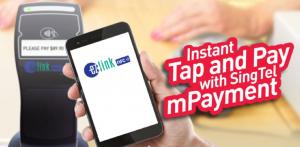
SingTel and Mi are enabling subscribers to pay for retail purchases payment service provider EZ-Link Pte. M1 subscribers also will be able to use M1’s new co-branded prepaid card application, which supports MasterCard PayPass.
The launches follow StarHub’s launch of its mobile payment system SmartWallet in early August 2012.
The SmartWallet will offer three payment applications that mirror the M1 choices.
StarHub plans to make three Android NFC phones available, as well, including the Samsung Galaxy S III.
All three telcos are part of a consortium chosen by Singapore telecoms and information services regulator Infocomm Development Authority to build an interoperable NFC infrastructure.
Gary Kim was cited as a global "Power Mobile Influencer" by Forbes, ranked second in the world for coverage of the mobile business, and as a "top 10" telecom analyst. He is a member of Mensa, the international organization for people with IQs in the top two percent.
Subscribe to:
Posts (Atom)
-
We have all repeatedly seen comparisons of equity value of hyperscale app providers compared to the value of connectivity providers, which s...
-
It really is surprising how often a Pareto distribution--the “80/20 rule--appears in business life, or in life, generally. Basically, the...
-
Financial analysts typically express concern when any firm’s customer base is too concentrated. Consider that, In 2024, CoreWeave’s top two ...

