Telefónica might be a bit optimistic, but the firm believes it can generate annual revenues of €5 billion (US$6.2 billion) by 2015 from initiatives that leverage the carrier's billing and charging capabilities as well as machine-to-machine services.
Those are important assertions for one principal reason. When a tier-one service provider decides to target its human and financial resources to a new revenue growth initiative, scale matters. In other words, a large telco cannot afford to waste time chasing small revenue opportunities, but has to look for opportunities that make a difference.
The shorthand way you can think about it is that when a service provider earns scores of billions worth of revenue each year, small opportunities do not “move the revenue needle” enough to be worth pursuing. As a very-simple rule of thumb, a tier-one service provider has to look for opportunities that generate at least a billion dollars a year.
Telefónica Digital believes its new global "Direct to Bill" agreements with Facebook , Google , Microsoft Corp. and Research In Motion Ltd. will do so.
Those deals allowTelefónica customers to buy content and services from Facebook, Google, Microsoft and RIM application stores, for example, using their mobile accounts. The charges appear directly on the subscriber phone bills, and do not require use of credit cards.
The operator believes this could prove very popular in Latin America, where, according to Telefónica, "credit card penetration is low and 60 percent of the population do not have bank accounts."
Telefónica also has entered a strategic partnership with service provider Etisalat that extends Telefónica's M2M reach into 17 new countries (in Africa, Asia/Pacific and the Middle East). The two operators plan to "jointly develop business opportunities in Machine-to-Machine (M2M), financial services, cloud computing, eHealth, mobile advertising and over-the-top [OTT] communications."
Thursday, July 5, 2012
Telefónica Sees Huge Upside in M2M, Carrier Billing

 Gary Kim was cited as a global "Power Mobile Influencer" by Forbes, ranked second in the world for coverage of the mobile business, and as a "top 10" telecom analyst. He is a member of Mensa, the international organization for people with IQs in the top two percent.
Wednesday, July 4, 2012
A La Carte Video Would Destroy Most Channels, Study Suggests
If the U.S. government mandated that TV channels be sold individually, only five to 10 traditional TV networks would survive, destroying up to $300 billion of value, endangering some one million jobs and curtailing consumers' video choices, according to an analysis by Needham and Company.
According to Needham's analysis, with unbundling, TV subscription revenue would decline 15 percent to 20 percent and ad revenue would plummet 75 percent. Meanwhile, if content companies delivered content directly to consumers, they would incur customer service costs estimated at $50 per customer per year, or $5 billion nationally.
According to Needham's analysis, with unbundling, TV subscription revenue would decline 15 percent to 20 percent and ad revenue would plummet 75 percent. Meanwhile, if content companies delivered content directly to consumers, they would incur customer service costs estimated at $50 per customer per year, or $5 billion nationally.
Gary Kim was cited as a global "Power Mobile Influencer" by Forbes, ranked second in the world for coverage of the mobile business, and as a "top 10" telecom analyst. He is a member of Mensa, the international organization for people with IQs in the top two percent.
Little is 'Trivial' Where Mobile Payments are Concerned
Though some might scoff at the notion that applications, such as contactless payments in transportation or parking, or wallet applications such as “time to refill your prescription” notifications using text messaging that every mobile device can receive, are “trivial,” such applications are important, for a number of reasons, says Diarmuid Mallon, Sybase 365 head of product marketing.
For starters, applications that are not drop-dead simple, widely available and which do not provide “obvious” and immediate value will not be adopted quickly or broadly. Given growing fragmentation in both the mobile payments and mobile wallet spaces, that is an important issue.
But there is a reason apparently trivial applications are important. They often are the places where clear value is provided.
For starters, applications that are not drop-dead simple, widely available and which do not provide “obvious” and immediate value will not be adopted quickly or broadly. Given growing fragmentation in both the mobile payments and mobile wallet spaces, that is an important issue.
But there is a reason apparently trivial applications are important. They often are the places where clear value is provided.
Gary Kim was cited as a global "Power Mobile Influencer" by Forbes, ranked second in the world for coverage of the mobile business, and as a "top 10" telecom analyst. He is a member of Mensa, the international organization for people with IQs in the top two percent.
Can Carrier “App Stores” Beat Apple App Store or Google Play?
Carriers such as AT&T and Verizon may very well get into the app store space to compete with Apple and third-party app stores like Getjar, argues Infonetics Research analyst Shira Levine.
The carriers' differentiation would be the ability to offer Android and browser-based applications in a one-stop-shopping environment. "AT&T learned a valuable lesson with the iPhone," says Levine. "They’re not part of the revenue value chain."
As a result, she says, "[carriers] are envisioning OS-independent app stores, which consumers could access no matter what device you had and even do so across multiple devices."
That’s part of the thinking behind the Wholesale Applications Community. Will it work?
The carriers' differentiation would be the ability to offer Android and browser-based applications in a one-stop-shopping environment. "AT&T learned a valuable lesson with the iPhone," says Levine. "They’re not part of the revenue value chain."
As a result, she says, "[carriers] are envisioning OS-independent app stores, which consumers could access no matter what device you had and even do so across multiple devices."
That’s part of the thinking behind the Wholesale Applications Community. Will it work?
Gary Kim was cited as a global "Power Mobile Influencer" by Forbes, ranked second in the world for coverage of the mobile business, and as a "top 10" telecom analyst. He is a member of Mensa, the international organization for people with IQs in the top two percent.
How Can Mobile Service Providers Compete with Facebook, Apple, Google "Messaging?"
Some would argue that a war over “interpersonal communications,” separate from the earlier messaging formats of email, instant messaging, chat and text messaging, is about to break out among three of the over the top application platforms, namely Google, Facebook and Apple.
For mobile service providers, that poses an issue, namely the future of their text messaging revenue streams, since historically mobile service providers have not make money directly from email or chat.
Facebook’s unified Chat / Messages / Email; Apple’s cross-device iMessage system and Google’s Gmail / GChat / Hangouts are something different, some would argue, as those platforms blend email, messaging chat and even video conferencing.
For mobile service providers, “how to compete” is the issue. A reasonable person might argue that no mobile service provider is fully equipped to compete in the “interpersonal communications” space dominated by those three application providers.
But mobile service providers can compete.
For mobile service providers, that poses an issue, namely the future of their text messaging revenue streams, since historically mobile service providers have not make money directly from email or chat.
Facebook’s unified Chat / Messages / Email; Apple’s cross-device iMessage system and Google’s Gmail / GChat / Hangouts are something different, some would argue, as those platforms blend email, messaging chat and even video conferencing.
For mobile service providers, “how to compete” is the issue. A reasonable person might argue that no mobile service provider is fully equipped to compete in the “interpersonal communications” space dominated by those three application providers.
But mobile service providers can compete.
Gary Kim was cited as a global "Power Mobile Influencer" by Forbes, ranked second in the world for coverage of the mobile business, and as a "top 10" telecom analyst. He is a member of Mensa, the international organization for people with IQs in the top two percent.
Video Audiences are Fragmenting
Men 18 to 34 are now spending more time streaming video than watching live TV, one third visit YouTube multiple times a day, half subscribe to a YouTube channel, and two thirds shared YouTube videos in the past week, according to Generation V, a YouTube study of consumer video trends.
The study also finds that 40 percent of women 25 to 49 have subscribed to a YouTube channel, half shared a video this past week, and one third regularly share online video with their kids or parents.
Those changes in viewership illustrate just one aspect of the range of underlying changes that are needed before over the top online video can seriously challenge traditional TV and subscription video services. There are many.
The study also finds that 40 percent of women 25 to 49 have subscribed to a YouTube channel, half shared a video this past week, and one third regularly share online video with their kids or parents.
Those changes in viewership illustrate just one aspect of the range of underlying changes that are needed before over the top online video can seriously challenge traditional TV and subscription video services. There are many.
Gary Kim was cited as a global "Power Mobile Influencer" by Forbes, ranked second in the world for coverage of the mobile business, and as a "top 10" telecom analyst. He is a member of Mensa, the international organization for people with IQs in the top two percent.
Tuesday, July 3, 2012
Would You Pay $600 for an Apple iPhone?
Leap Wireless and Virgin Mobile are betting that users will pay $500 to $600 for an Apple iPhone, at full retail prices. AT&T thinks they will not do so. It is possible, perhaps likely, that the actual answer will be that some users will do so, but that most will not want to do so.
The answer obviously matters greatly for Leap (Cricket) and Virgin Mobile, as well as for all other mobile service providers that clearly would prefer to reduce the amount of money they tie up in device subsidies.
Leap Wireless has committed to buy nearly $1 billion of iPhones over the next three years that it hopes to sell at a partially subsidized price of at least $400 for the iPhone 4 and $500 for the iPhone 4S.
BTIG Research believes that $200 will continue to be reasonable price point for high-end phones, though. If that proves to be true, Cricket and Virgin Mobile might take a hit to earnings, and mobile service providers will have to figure out some other way to attack the subsidy problem.
The answer obviously matters greatly for Leap (Cricket) and Virgin Mobile, as well as for all other mobile service providers that clearly would prefer to reduce the amount of money they tie up in device subsidies.
Leap Wireless has committed to buy nearly $1 billion of iPhones over the next three years that it hopes to sell at a partially subsidized price of at least $400 for the iPhone 4 and $500 for the iPhone 4S.
BTIG Research believes that $200 will continue to be reasonable price point for high-end phones, though. If that proves to be true, Cricket and Virgin Mobile might take a hit to earnings, and mobile service providers will have to figure out some other way to attack the subsidy problem.
Gary Kim was cited as a global "Power Mobile Influencer" by Forbes, ranked second in the world for coverage of the mobile business, and as a "top 10" telecom analyst. He is a member of Mensa, the international organization for people with IQs in the top two percent.
If Netflix Were a Cable Network, it Would be "the Most Viewed"
If Netflix were a subscription TV network, the amount of streaming conducted by Netflix users would make Netflix the most-watched subscription TV network, according to BTIG Research.
BTIG estimates that the "more than one billion hours" of streaming by Netflix customers in June 2012 would make Netflix the "most watched TV network overall including broadcast and cable.
In January 2012, BTIG noted that "Netflix streaming usage is exploding and is far, far bigger than traditional media executives give it credit for."
The "average" Netflix user now watches about 80 minutes of streamed content every day.
BTIG estimates that the "more than one billion hours" of streaming by Netflix customers in June 2012 would make Netflix the "most watched TV network overall including broadcast and cable.
In January 2012, BTIG noted that "Netflix streaming usage is exploding and is far, far bigger than traditional media executives give it credit for."
The "average" Netflix user now watches about 80 minutes of streamed content every day.
Gary Kim was cited as a global "Power Mobile Influencer" by Forbes, ranked second in the world for coverage of the mobile business, and as a "top 10" telecom analyst. He is a member of Mensa, the international organization for people with IQs in the top two percent.
Only a Supremely Self-Confident Company Would Post its Competitors' Current Prices in Store: Best Buy Might Do So
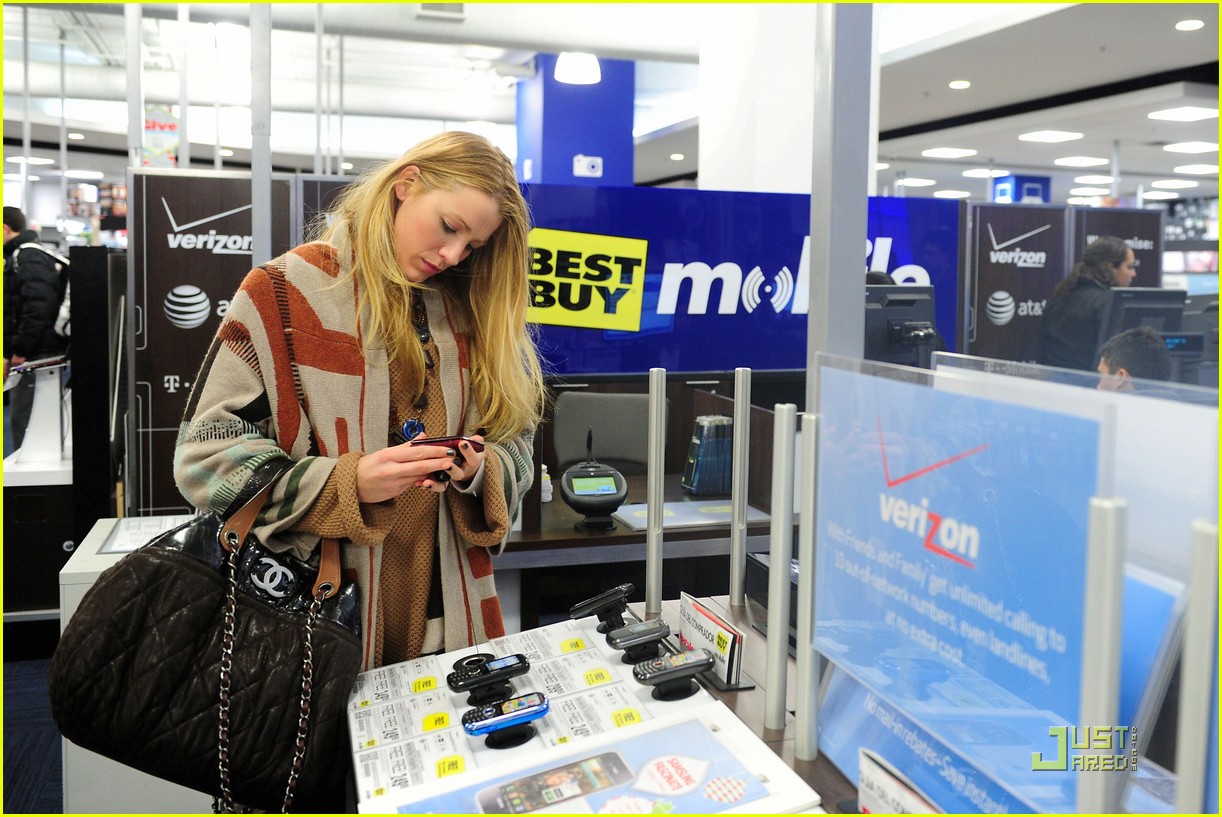 How many companies do you know that would be willing to post their competitor's prices, on the same merchandise, inside the store?
Best Buy might do so, suggesting that the company believes its prizes are close enough to Amazon that doing so will emphasize the value of shopping at Best Buy.
That points to an interesting perception problem Best Buy wants to overcome, namely that its prices "must be" higher than what is available online, and from online retailers such as Amazon.
That can lead to customer "showrooming," where consumers inspect merchandise at Best Buy and then purchase online.
That Best Buy might be willing to post current online prices indicates its belief that prices are competitive enough to allow it to do so.
Some observers already say Best Buy does offer prices that compare well or even better than the competition. Over the years, Best Buy has even considerably weakened Amazon’s sales tax advantage, the retail price advantage Amazon can offer in some states because it does not collect sales taxes.
Executive vice president Stephen Gillett, Best Buy’s new digital chief, recently told institutional investors the company might install screens throughout its stores that display real time prices on products offered by competitors like Wal-Mart and Amazon.
How many firms do you know of that would dare do such a thing?
Gary Kim was cited as a global "Power Mobile Influencer" by Forbes, ranked second in the world for coverage of the mobile business, and as a "top 10" telecom analyst. He is a member of Mensa, the international organization for people with IQs in the top two percent.
Tablets are Changing Content Consumption
“The rapid adoption of media tablets is substantively changing how consumers access, create and share content,” says Carolina Milanesi, Gartner research vice president. But some might argue that “content creation” is fairly limited to email messages, social network replies or other short messages.
A new survey by Gartner of users in the United States, United Kingdom and Australia found that the main activities moving from PCs to media tablets are checking email (81 percent of respondents), reading the news (69 percent), checking the weather forecast (63 percent), social networking (62 percent) and gaming (60 percent).
That probably illustrates as well as any statistic the key role tablets are assuming as primary content consumption devices, with the PC being used for “work” tasks related to creating more-complex content.
Media tablets also play a more dominant role in the home than mobile phones or PCs, with the highest usage taking place in the living room (87 percent), the bedroom (65 percent) and the kitchen (47 percent).
Respondents say they purchase a media tablet, in preference to a PC, for its convenience, small size and light weight.
The survey also found that 45 percent of respondents do not share their tablet at all. In other words, a tablet is almost as personal as a mobile phone in terms of usage and consumer attitude, for nearly half of users.
The respondents, early adopters of media tablets, said they use their multiple devices (PCs, TVs, mobile phones) interchangeably, rather than substituting one device for another. They use whichever device is at hand, or the most convenient to use at a particular time and for a specific task.
However, respondents use their PCs (desk-based or mobile) 20 percent less at weekends.
Overall, you might note that most consumer electronics devices these days are “consumption” devices (MP3 players, game players, tablets, smart phones, TVs) while a few devices (PCs, cameras) are mostly for content creation.
A new survey by Gartner of users in the United States, United Kingdom and Australia found that the main activities moving from PCs to media tablets are checking email (81 percent of respondents), reading the news (69 percent), checking the weather forecast (63 percent), social networking (62 percent) and gaming (60 percent).
That probably illustrates as well as any statistic the key role tablets are assuming as primary content consumption devices, with the PC being used for “work” tasks related to creating more-complex content.
Media tablets also play a more dominant role in the home than mobile phones or PCs, with the highest usage taking place in the living room (87 percent), the bedroom (65 percent) and the kitchen (47 percent).
Respondents say they purchase a media tablet, in preference to a PC, for its convenience, small size and light weight.
The survey also found that 45 percent of respondents do not share their tablet at all. In other words, a tablet is almost as personal as a mobile phone in terms of usage and consumer attitude, for nearly half of users.
The respondents, early adopters of media tablets, said they use their multiple devices (PCs, TVs, mobile phones) interchangeably, rather than substituting one device for another. They use whichever device is at hand, or the most convenient to use at a particular time and for a specific task.
However, respondents use their PCs (desk-based or mobile) 20 percent less at weekends.
Overall, you might note that most consumer electronics devices these days are “consumption” devices (MP3 players, game players, tablets, smart phones, TVs) while a few devices (PCs, cameras) are mostly for content creation.
Gary Kim was cited as a global "Power Mobile Influencer" by Forbes, ranked second in the world for coverage of the mobile business, and as a "top 10" telecom analyst. He is a member of Mensa, the international organization for people with IQs in the top two percent.
Tablet Sales will Pass Notebooks in 2016
Tablet PCs, such as Apple’s iPad, are expected to be the growth driver for the mobile PC market over the next few years. In fact, tablet shipments will surpass notebook shipments in 2016, according to NPD.
Overall mobile PC shipments will grow from 347 million units in 2012 to over 809 million units by 2017.


Overall mobile PC shipments will grow from 347 million units in 2012 to over 809 million units by 2017.
While notebook PC shipments are expected to increase from 208 million units in 2012 to 393 million units by 2017, tablet PC shipments are expected to grow from 121 million units to 416 million units in this period, for a compound annual growth rate of 28 percent.
A key driver for tablet PC growth is adoption in mature markets (including North America, Japan and Western Europe), which will account for 66 percent of shipments in 2012 and remain in the 60 percent range throughout the forecast period.
Tablet PC shipments into mature markets will grow from 80 million units in 2012 to 254 million units by 2017, NPD predicts.
A key driver for tablet PC growth is adoption in mature markets (including North America, Japan and Western Europe), which will account for 66 percent of shipments in 2012 and remain in the 60 percent range throughout the forecast period.
Tablet PC shipments into mature markets will grow from 80 million units in 2012 to 254 million units by 2017, NPD predicts.
Figure 1: Worldwide Mobile PC Shipment Forecast (000s)
Figure 2: Emerging and Mature Market Tablet Shipments (000s)
Source: NPD DisplaySearch Quarterly Mobile PC Shipment and Forecast Report
Gary Kim was cited as a global "Power Mobile Influencer" by Forbes, ranked second in the world for coverage of the mobile business, and as a "top 10" telecom analyst. He is a member of Mensa, the international organization for people with IQs in the top two percent.
Google's Relationship with Telco Mobile Payments is Complicated
To say Google has a complicated relationship with mobile service providers in the mobile wallet or mobile payments space is an understatement. Google both competes directly with some efforts and also appears to be looking to partner with others.
Deutsche Telekom is in discussions with Google, credit-card networks and banks about becoming partners to Deutsche Telekom’s new mobile payment system, Business Week reports.
Deutsche Telekom already had said it is working with MasterCard in Europe, allowing the Deutsche Telekom mobile payment system to use point of sale terminals accepting Mastercard payments.
So far, the talks are exploratory. “We’re talking to other players in the market, and even a cooperation with Google is theoretically possible,” said Thomas Kiessling, Deutsche Telekom chief product and innovation officer.
In principle, Google could supply credentials and loyalty features, as Google Wallet already works with Mastercard payment terminals and systems.
Separately, Google’s Save to Wallet APIs allow developers to add features allowing visitors to bank and merchant websites to save payment cards and offers to Google Wallet.
The “Save to Wallet API for Payment Cards” enables banks to integrate any credit or signature debit card into Google Wallet in a relatively simple manner. Google provides card-issuing banks with two options: 1) a “no integration” option that allows banks to provide us card art, and co-market Google Wallet, or 2) a light integration option, which enables banks to push cards directly from their websites into Google Wallet, with user consent.
The “Save to Wallet API for Offers” enables merchants to publish offers that can be saved to Google Wallet as well. Offers can be redeemed by consumers using a mobile device either using SingleTap NFC at the point of sale, or by showing and scanning the offer during checkout.
The benefit of the API to the merchant is that website visitors easily can save an offer from the retailer’s website so that they have it with them when they visit your store. Google Wallet will also remind customers to use offers before they expire.
But Google’s current relationship to telco-owned mobile wallet or mobile payment systems is complicated. In the U.S. market, Google Wallet faces Isis, the consortium owned by AT&T, Verizon Wireless and T-Mobile USA, as a competitor.
In the United Kingdom, Google and PayPal both have warned that a proposed joint venture between Britain’s five biggest mobile service providers could stifle growth of the nascent market, the Financial Times reports.
The “Project Oscar” mobile payments initiative involves Vodafone, Telefónica’s O2 and Everything Everywhere, the merged U.K. businesses of Deutsche Telekom and France Télécom.
On the other hand, Google obviously is interested in mobile partners, as it has been working with Sprint as part of its U.S. Google Wallet operations.
Separately, China Telecom also has announced a new mobile banking service more oriented towards mobile bill payment and money transfers, rather than retail payments.
Deutsche Telekom aims to make mobile payments a reality for Deutsche Telekom’s 93 million mobile customers across Europe, beginning in Poland in 2012.
In Germany, Deutsche Telekom will conduct trials using tags and cards rather than NFC-capable (near field communications) devices, a simple solution to the relative lack of NFC devices in the installed base.
Deutsche Telekom will issue the MasterCard products via its subsidiary company ClickandBuy, which has the mandatory “e-money license” required to operate a mobile payment system.
Deutsche Telekom is in discussions with Google, credit-card networks and banks about becoming partners to Deutsche Telekom’s new mobile payment system, Business Week reports.
Deutsche Telekom already had said it is working with MasterCard in Europe, allowing the Deutsche Telekom mobile payment system to use point of sale terminals accepting Mastercard payments.
So far, the talks are exploratory. “We’re talking to other players in the market, and even a cooperation with Google is theoretically possible,” said Thomas Kiessling, Deutsche Telekom chief product and innovation officer.
In principle, Google could supply credentials and loyalty features, as Google Wallet already works with Mastercard payment terminals and systems.
Separately, Google’s Save to Wallet APIs allow developers to add features allowing visitors to bank and merchant websites to save payment cards and offers to Google Wallet.
The “Save to Wallet API for Payment Cards” enables banks to integrate any credit or signature debit card into Google Wallet in a relatively simple manner. Google provides card-issuing banks with two options: 1) a “no integration” option that allows banks to provide us card art, and co-market Google Wallet, or 2) a light integration option, which enables banks to push cards directly from their websites into Google Wallet, with user consent.
The “Save to Wallet API for Offers” enables merchants to publish offers that can be saved to Google Wallet as well. Offers can be redeemed by consumers using a mobile device either using SingleTap NFC at the point of sale, or by showing and scanning the offer during checkout.
The benefit of the API to the merchant is that website visitors easily can save an offer from the retailer’s website so that they have it with them when they visit your store. Google Wallet will also remind customers to use offers before they expire.
But Google’s current relationship to telco-owned mobile wallet or mobile payment systems is complicated. In the U.S. market, Google Wallet faces Isis, the consortium owned by AT&T, Verizon Wireless and T-Mobile USA, as a competitor.
In the United Kingdom, Google and PayPal both have warned that a proposed joint venture between Britain’s five biggest mobile service providers could stifle growth of the nascent market, the Financial Times reports.
The “Project Oscar” mobile payments initiative involves Vodafone, Telefónica’s O2 and Everything Everywhere, the merged U.K. businesses of Deutsche Telekom and France Télécom.
On the other hand, Google obviously is interested in mobile partners, as it has been working with Sprint as part of its U.S. Google Wallet operations.
Separately, China Telecom also has announced a new mobile banking service more oriented towards mobile bill payment and money transfers, rather than retail payments.
Deutsche Telekom aims to make mobile payments a reality for Deutsche Telekom’s 93 million mobile customers across Europe, beginning in Poland in 2012.
In Germany, Deutsche Telekom will conduct trials using tags and cards rather than NFC-capable (near field communications) devices, a simple solution to the relative lack of NFC devices in the installed base.
Deutsche Telekom will issue the MasterCard products via its subsidiary company ClickandBuy, which has the mandatory “e-money license” required to operate a mobile payment system.
Gary Kim was cited as a global "Power Mobile Influencer" by Forbes, ranked second in the world for coverage of the mobile business, and as a "top 10" telecom analyst. He is a member of Mensa, the international organization for people with IQs in the top two percent.
Monday, July 2, 2012
Cable, Satellite, Telco TV Providers Will Have to Do Something About Programming Costs
 AT&T and AMC Networks have settled on a new contract, after going to the brink of non-renewal.
Dish Network, which has been engaged in a contract dispute with AMC Networks, appears ready to drop AMC from the Dish line-up, giving AMC’s channel positions away to HDNet Movies. That unusual move illustrates the growing tensions within the video subscription business between distributors and content owners.
Though cable, satellite and telco TV distributors often risk consumer ire over monthly bills that almost routinely grow every year, faster than the overall rate of inflation, distributors maintain, not without reason, that such price increases are driven by higher carriage fees paid to the programming networks.
By its own estimates, about 41 percent of Time Warner Cable operating expense is content acquisition fees. About 57 percent of on-going cost is all other operating cost, including network operations, marketing, customer service and other overhead.
A la carte programming, with consumers able to buy single programs as they wish, or whole channels, if that is what they wish, is the great fear of executives in the video distribution business (cable, telco, satellite video services).
But some might argue that if consumer prices for such services continue to grow consistently at rates far above the background rate of inflation, latent demand for such services will grow.
Gary Kim was cited as a global "Power Mobile Influencer" by Forbes, ranked second in the world for coverage of the mobile business, and as a "top 10" telecom analyst. He is a member of Mensa, the international organization for people with IQs in the top two percent.
3 Sets of Challenges for Mobile Service Providers
Mobile service providers face at least three different sets of challenges related to bandwidth consumption. Skyrocketing consumption is outrunning revenue earned from supplying that demand. That is a capital investment issue.
At the same time, there is growing pressure on lucrative narrowband services, especially text messaging and voice, from over the top alternatives and declining voice usage in many markets. That represents a gross revenue and profit margin squeeze.
Third, the customer perception of value of carrier-provided voice, texting and mobile broadband access needs to be enhanced. At least in the near term, that is arguably the fastest way mobile service providers can boost both revenue and profit margin.
At the same time, there is growing pressure on lucrative narrowband services, especially text messaging and voice, from over the top alternatives and declining voice usage in many markets. That represents a gross revenue and profit margin squeeze.
Third, the customer perception of value of carrier-provided voice, texting and mobile broadband access needs to be enhanced. At least in the near term, that is arguably the fastest way mobile service providers can boost both revenue and profit margin.
Gary Kim was cited as a global "Power Mobile Influencer" by Forbes, ranked second in the world for coverage of the mobile business, and as a "top 10" telecom analyst. He is a member of Mensa, the international organization for people with IQs in the top two percent.
How Big is the Cloud Computing Opportunity, for Telcos?
One frequently hears these days of high service provider interest in cloud computing as a potential driver of service provider revenue, and the thinking is not without merit. Likewise, one also hears that data centers and content delivery networks are logical opportunities that leverage what service providers already do. All that makes sense.
The hard part is figuring out how big the opportunity might be, what other opportunities might exist, and then making hard decisions about which initiatives to pursue. No organization can pursue an unlimited number of growth opportunities, in other words. So the issue is whether cloud computing offers enough revenue upside to be worth spending time and resources to chase the opportunity.
To be sure, if we are indeed moving to a next wave of computing architecture based fundamentally on cloud computing, then there will be much greater reliance on remote data and computing resources and bandwidth. That's the general notion.
The added “secret sauce” is that use of mobile and untethered devices will be an integral part of the architecture. And that has upside for mobile service providers as well. But is the revenue upside substantial enough for a tier-one service provider to chase, compared to all other potential growth alternatives?
The hard part is figuring out how big the opportunity might be, what other opportunities might exist, and then making hard decisions about which initiatives to pursue. No organization can pursue an unlimited number of growth opportunities, in other words. So the issue is whether cloud computing offers enough revenue upside to be worth spending time and resources to chase the opportunity.
To be sure, if we are indeed moving to a next wave of computing architecture based fundamentally on cloud computing, then there will be much greater reliance on remote data and computing resources and bandwidth. That's the general notion.
The added “secret sauce” is that use of mobile and untethered devices will be an integral part of the architecture. And that has upside for mobile service providers as well. But is the revenue upside substantial enough for a tier-one service provider to chase, compared to all other potential growth alternatives?
Gary Kim was cited as a global "Power Mobile Influencer" by Forbes, ranked second in the world for coverage of the mobile business, and as a "top 10" telecom analyst. He is a member of Mensa, the international organization for people with IQs in the top two percent.
Subscribe to:
Posts (Atom)
Google Payback on Tensor accelerators Might be Less than One Year
Does Google Cloud payback on its own Tensor processors happen in less than a year? It might appear so. Google Cloud CEO Thomas Kurian, spe...

-
We have all repeatedly seen comparisons of equity value of hyperscale app providers compared to the value of connectivity providers, which s...
-
It really is surprising how often a Pareto distribution--the “80/20 rule--appears in business life, or in life, generally. Basically, the...
-
Financial analysts typically express concern when any firm’s customer base is too concentrated. Consider that, In 2024, CoreWeave’s top two ...

